



They say you never forget your first time. Anyone who’s visited this island paradise in Southeast Asia will know that’s definitely true of Bali. Bali is one of the most popular destinations in Asia, and going here is almost a rite of passage for Australians.
Travel eSIMs you may like:

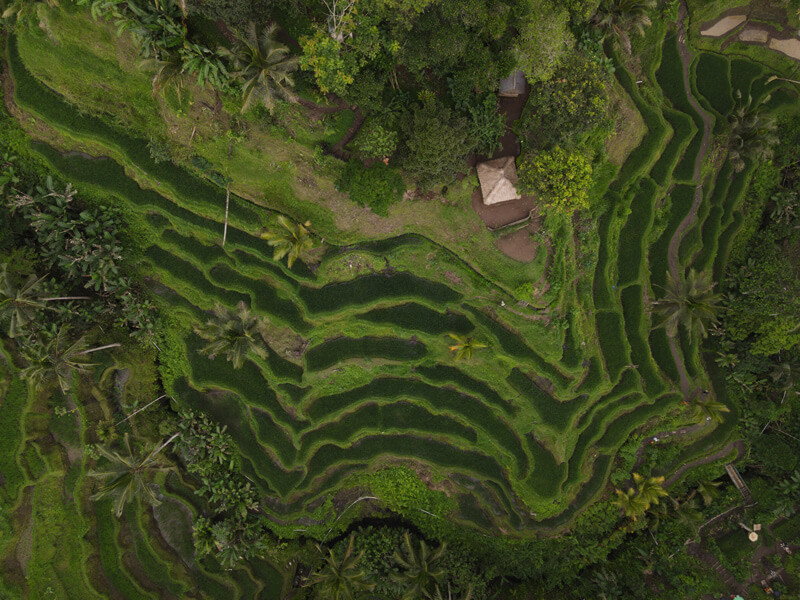
But Bali attracts travellers from all over the world, with everything from world-class beaches and lush rice terraces to ancient temples, intriguing wildlife, and friendly locals.
Still, Bali isn’t always what you expect it to be. An Instagram reel or TikTok video can never tell the full story of a place like this. When first-time visitors come here, they often find themselves disappointed when the fantasy doesn’t match the reality.
Let’s take a look at what you need to know before you visit Bali. Being prepared means you can avoid some of the hassles and enjoy what makes the island so incredible.
Sort Your Entry Paperwork Before You Fly
Australians can enter Indonesia using a Visa on Arrival, but don’t be misled by the name. The easiest way to get it is actually before you arrive, by applying for the e-VOA on the official immigration website. It costs IDR 500,000, lets you stay for 30 days, and can be extended once for another 30.
You’ll also need two other things. The All Indonesia arrival card is free and must be completed within three days before you land. The Bali tourist levy is IDR 150,000 per person and is paid through the official Love Bali website or app. Your passport needs at least six months of validity, and you’ll need a return or onward ticket.
Only use websites ending in .go.id, because lookalike sites charge big fees for the same thing. For the full step-by-step process, read our guide to the Bali Visa on Arrival.
Bali is Bigger Than It Looks
OK, Bali isn’t massive. But it’s not as tiny as people often think. Plus, the traffic can be heavy in areas like Seminyak, Canggu, Kuta, and Ubud, so getting around can take a lot longer than you might expect. A drive that looks like 20 minutes on the map can easily take an hour at peak times, and getting from the south of the island to the waterfalls up north is a full day out.
Bali has lots to see, so it’s tempting to try and cram everything in, but that’s often a bad idea. It makes more sense to choose two or three things you really want to see and build your trip around those.
You can also make things easier on yourself by staying in two or three different areas so that you can explore different sides of the island without spending too long in traffic. And try to avoid booking anything important on the same afternoon you land.
Where to Base Yourself
Each part of Bali has its own personality, so where you stay shapes your whole trip. Here’s a quick rundown:
- Ubud for rice terraces, temples, yoga and a cooler, greener feel
- Seminyak and Canggu for cafés, beach clubs, shopping and nightlife
- Uluwatu and the Bukit Peninsula for clifftop sunsets and serious surf
- Sanur for calm water, a relaxed pace and easy boats to the Nusa islands
- Nusa Dua for big resorts and family-friendly beaches
Most first-timers split their stay between Ubud and one beach area, which gives you a taste of both sides of Bali without spending your holiday in traffic. If you’re still working out how long to stay and how to divide your nights, our guide to how many days you actually need in Bali has itineraries for every trip length.
Respect Local Customs
This is a big one. And it’s true everywhere you go, but Bali seems to suffer especially badly from the stereotypical Ugly Tourist. The people of Bali are generally welcoming and tolerant, but there are limits.
This is especially true when it comes to religion. Visiting the temples of Bali is an unmissable experience, but remember to respect these places of worship. You may be required to wear a sarong or cover your shoulders, or may be asked to remove your shoes.
Don’t climb on religious statues and monuments. Don’t interrupt ceremonies. Don’t disturb the small woven baskets filled with flowers and incense you’ll find on footpaths and outside businesses. They are daily religious offerings, so step around them. Away from the beach, cover up a bit too. Walking around town in swimwear or shirtless isn’t appreciated.
Nyepi: The Day the Whole Island Switches Off
If there’s one date to check before booking flights, it’s Nyepi, the Balinese Day of Silence. It marks the Balinese new year and usually falls in March, but the date changes every year, so look it up for the year you’re travelling.
For 24 hours, from 6 am to 6 am the next day, the entire island shuts down. And I mean the entire island. Ngurah Rai International Airport closes, so there are no flights in or out. Shops, restaurants and beaches are closed, nobody is allowed on the streets, and visitors are expected to stay inside their hotel with lights kept low.
It sounds daunting, but it can be a magical experience. The night before, villages parade huge ogoh-ogoh monster effigies through the streets, and on Nyepi itself, the stars are incredible. Just stock up on snacks and plan around it.
Money: Rupiah, Zeros and Cash
Indonesia uses the rupiah (IDR), and the first thing you’ll notice is the zeros. Lots of them. A simple rule of thumb is that IDR 10,000 is roughly A$1, so the red IDR 100,000 note is about A$10. Prices are often written as "50k" or "50rb", which means IDR 50,000. It’s easy to confuse notes when you’re tired, so take a second to check before handing them over.
Your credit cards will most likely be accepted in hotels, bigger restaurants, and shopping malls. But local businesses tend to prefer cash. When shopping in local markets, buying street food, visiting small cafés, or making temple donations, cash is very much appreciated.
You’ll find ATMs all over the island, but the safest thing to do is always use one attached to a major bank, ideally inside a branch or a supermarket. If the ATM or card machine offers to charge you in Australian dollars, decline and pay in rupiah, as the conversion rate is usually worse. When changing cash, stick to authorised money changers and count your notes before you leave the counter.
Tipping and Haggling
Tipping isn’t expected in Bali, but it is appreciated, especially in a place where wages are low. Many restaurants and hotels add tax and a service charge to the bill, so check the bottom of the receipt before you add anything extra. If service isn’t included, rounding up or leaving a little extra for good service is a nice gesture. Drivers, spa therapists and guides are always grateful for a small tip at the end.
Haggling is normal at markets, street stalls and with some drivers, but not in supermarkets, malls or shops with marked prices. Start lower than the first price, keep it friendly, and remember that a few thousand rupiah means more to the seller than it does to you. Ride-hailing apps like Grab and Gojek show a fixed fare upfront, which takes the guesswork out of getting around.
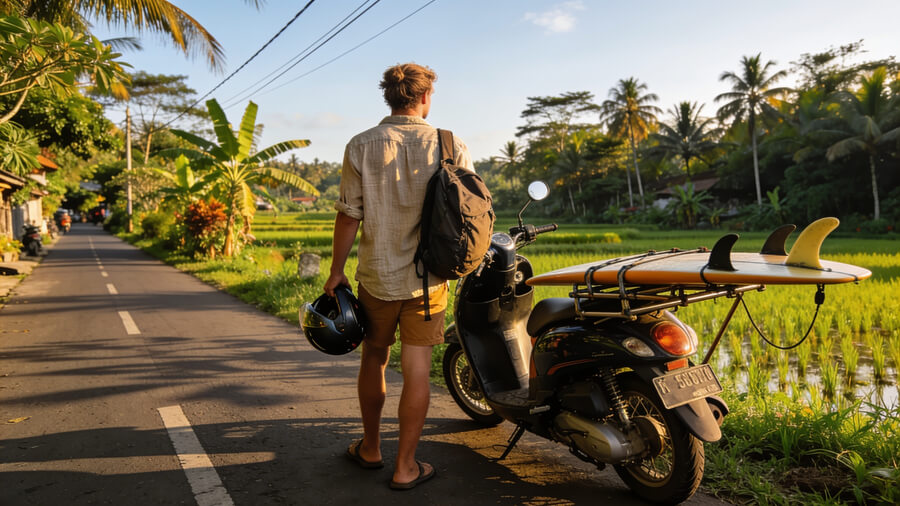
Renting a Scooter Isn’t Always a Good Idea
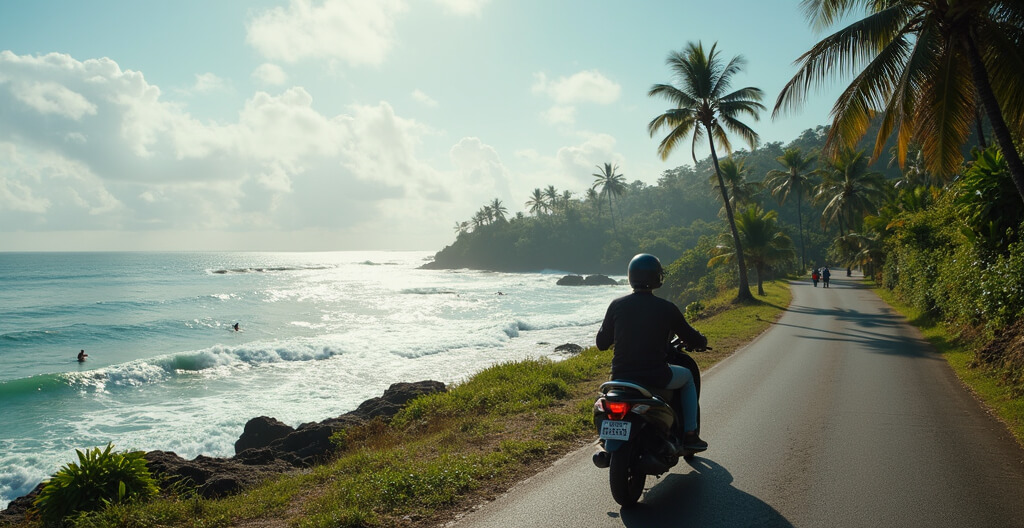
In the narrow, sometimes chaotic streets of Bali, scooters are one of the most popular ways to get around. Let’s face it, they can be a lot of fun. But the traffic here can make it challenging if you’ve never been on a scooter before.
I’m not trying to talk you out of it. But I am saying, if you do decide to rent a scooter:
- Wear a helmet, every single ride
- Carry the right licence, which means a motorcycle licence from home plus an International Driving Permit with a motorcycle endorsement
- Make sure your travel insurance covers you to ride one
- Photograph any existing damage before leaving the rental shop
- Consider extra insurance in case of damage to the bike or a third party
Police checkpoints are common in tourist areas, and riding without the proper licence can also void your insurance. If you’re not confident, ride-hailing apps or a hired driver for the day are cheap and stress-free alternatives.
Be Ready for the Tropics
If you’ve never been to a tropical destination before, the weather might catch you by surprise. Yes, Bali has warm temperatures year-round, but it has two distinct seasons: the dry season, from April to October, and the wet season, from November to March.
If you visit during the wet season, you can expect heavy tropical downpours. They tend to come in short bursts rather than lasting all day, but it’s something you need to be aware of when packing your bags. You may need to bring a waterproof jacket along with insect repellent, sunscreen, and lightweight clothing. The sun is fierce in any season, so a hat and reef-safe sunscreen are worth packing too.
Tap Water and Bali Belly
Tap water in Bali is not recommended. Most visitors drink bottled water or use filtered water stations to fill their own bottles. Usually, hotels will provide filtered water for guests, so no worries there.
Don’t forget about what happens when you’re out and about. Reputable restaurants will often filter their water, but smaller places, especially street food vendors, can’t usually do that. Nothing ruins a trip quicker than spending half the time on the toilet, and Bali belly is so common it has its own nickname. Wash your hands or use sanitiser before eating, go easy on salads and anything that’s been sitting out, and pack oral rehydration salts. If symptoms are severe or don’t clear up in a couple of days, see a doctor.
Watch Out for Scams
Most Balinese are friendly, honest people, but any place that attracts the tourist numbers Bali gets is going to have a problem with scams.
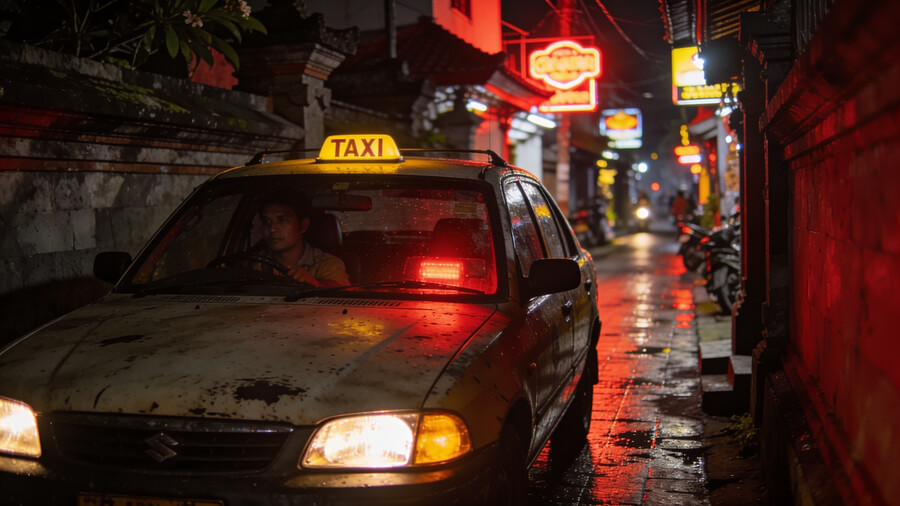
Common scams you may encounter in Bali include taxi overcharging, money exchange tricks, scooter rental damage claims, and fake tour operators. A newer one is lookalike websites that charge a hefty fee for the visa, the free arrival card or the tourist levy, so always check you’re on a site ending in .go.id. Take the time to familiarise yourself with the most common scams so that you don’t get stung. If something feels off, it’s fine to walk away.
Staying Connected Makes Travelling Easier
Reliable mobile data will make your trip a lot easier. A good network connection lets you book rides with Grab or Gojek, check maps, translate signs, confirm accommodation, or find nearby restaurants. It’s also handy for keeping your e-VOA, arrival card QR code and levy voucher within easy reach.
Instead of getting ripped off by extortionate roaming charges, grab a Bali travel eSIM before you even arrive. Install it at home, switch it on when you land, and you’ll be connected to a strong local network without queuing for a SIM card at the airport. It also means you can message your accommodation or order a ride the second you walk out of arrivals, rather than hunting for free Wi-Fi.
Health and Safety Tips
You can avoid many common travel issues by following some simple precautions related to your health and safety:
- Drink plenty of water in the heat
- Use sunscreen and reapply it more often than you think
- Wear insect repellent, especially around dawn and dusk
- Respect warning flags at beaches, as rips can be strong
- Keep your distance from monkeys and stray dogs, and see a doctor straight away if you’re bitten or scratched
- Stick to reputable bars and be wary of cheap spirits and cocktails
- Carry travel insurance that covers the activities you intend to do
It’s also worth seeing your GP or a travel doctor a few weeks before you fly to check which vaccinations are recommended for you. Pack a small first aid kit with the basics, and save the details of a reputable clinic near where you’re staying.
Enjoying Bali On Your First Trip
Bali deserves its popularity. The beautiful scenery, rich traditions, incredible food, and great hospitality make it truly unforgettable.
But if you want to make the most of the place, it’s important to be prepared. Sort your paperwork before you fly, check the date of Nyepi, carry some cash, and pick your bases wisely.
Respecting the local culture, planning a realistic itinerary, and staying connected will go a long way to making sure you have an incredible time.
A travel eSIM from ZenSim makes staying connected so much easier. With access to maps, restaurant reviews, booking confirmations, and travel information, you can enjoy the Island of the Gods worry-free. And if you’re travelling from Bali to other places in Southeast Asia, we have a perfect eSIM for that, too.
FAQs
Yes. Australians need a Visa on Arrival, which costs IDR 500,000 and allows a 30-day stay that can be extended once for another 30 days. The easiest option is to apply online for the e-VOA through the official Indonesian immigration website, which ends in .go.id.
Apply for your e-VOA, complete the free All Indonesia arrival card within three days before you land, and pay the IDR 150,000 Bali tourist levy through the official Love Bali website or app. Make sure your passport has at least six months of validity and you have a return or onward ticket.
Nyepi, the Balinese Day of Silence, usually falls in March, but the date changes every year. For 24 hours the whole island shuts down, including the airport, so check the date before you book flights.
No, it isn't recommended. Drink bottled or filtered water, which most hotels provide, and be a little careful with ice and raw food at smaller street stalls to avoid Bali belly.
Tipping isn't expected, but it's appreciated. Many restaurants already add a service charge, so check the bill first. Otherwise, rounding up or leaving a small tip for good service, drivers and spa therapists is a kind gesture.
Travel eSIMs you may like:
Written by
Ryan Frawley
Travel writer and serial border crosser.
I've visited more than 30 countries so far, which sounds impressive until you see how long my travel wish list still is. When I'm not chasing cheap flights, figuring out eSIMs, or getting lost in places I can't properly pronounce, I'm usually writing about travel, remote work, and how to make both a little easier.
If you've ever searched "Can I work remotely from there?" at 2 a.m., we're probably on the same wavelength.
Get amongst it
Join the community
We will reach out when we launch new products, about our sustainability projects, specials, new innovations or maybe even cool sh*t we think is inbox worthy.


